Writing an SEO guide is never easy. I spend most of my time doing SEO at a high level, which means I rarely stop and think, how would I do SEO in 2026 if I had never done it before, especially if I had no budget.
That question is what led to this blog.
This is a fundamentals-first breakdown of SEO in 2026. Nothing clever, nothing hidden behind tools, nothing you need money for. It is based on exactly what we look for when we jump on a takeoff call with a new client.
If you want us to run an SEO audit on your website, you can contact us here. It is completely free. We only charge if you actually want us to do the work. The information itself is and always will be free.
Image size and how it affects your SEO in 2026
Image optimisation matters more than most people realise. One badly sized image will not ruin your website, but if most of your images are wrong, it will quietly drag your SEO down over time.
There are three things you need to care about.
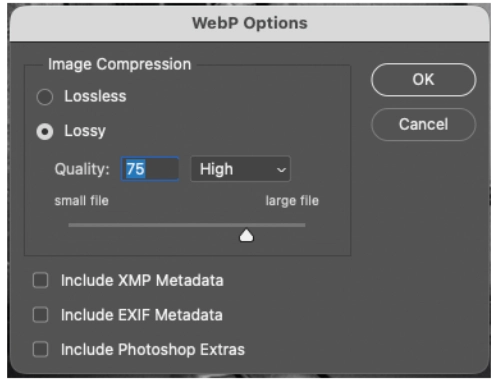
Image dimensions
If your browser has to resize images for you, your website is doing extra work on every page load. That extra work slows things down, and page speed is a ranking factor in SEO in 2026.
As a general rule, rectangular images should not be larger than 1200 by 800 pixels, and square images should not be larger than 1000 by 1000 pixels.
If your website displays an image at 400 pixels wide but the file is 4000 pixels wide, you are wasting resources every single time that page loads.
Image file size
Image dimensions and file size are not the same thing, but they often get mixed up.
File size refers to how much memory the image takes up. Large file sizes slow down load times just as much as oversized dimensions.
In most cases, a static image should sit somewhere between 200KB and 300KB. There is rarely a good reason for a single website image to be larger than that.
Exporting images as WebP files solves most of this instantly. Tools like Affinity or Canva make this simple and require no technical knowledge.
Image alt text
Alt text helps search engines understand what an image is showing. It also improves accessibility.
When you upload an image, describe it clearly and naturally in the alt text field. You can include keywords where they make sense, but do not force them. If it reads badly to a human, it will not help SEO in 2026.
Keywords in your title, for example, SEO in 2026 (see what I did there)
Before you write anything, your main keyword should already be decided, and it should be in the page title.
If someone searches for SEO in 2026 and your title includes that phrase naturally, you are already ahead of most websites.
This does not mean stuffing keywords everywhere. It means your title should clearly match what someone is actually searching for.
A good title is clear, specific, and honest. If your title tries to be clever but vague, it will struggle to perform.
One page should do one job
A common beginner mistake in SEO in 2026 is trying to rank one page for everything.
Each page on your website should have a single purpose. One service, one topic, one outcome.
If a page tries to rank for ten different things, search engines struggle to understand what it is actually about.
Before creating a page, ask yourself one question. What is this page meant to rank for.
If you cannot answer that in one sentence, the page needs rethinking.
Internal links matter more than you think
Internal linking is one of the easiest SEO wins in 2026, and it costs nothing.
When you link from one page on your site to another, you are showing search engines how your content connects. That context matters.
Linking relevant pages together improves crawlability, spreads authority across your website, and makes things easier for users.
You do not need to overdo it. Just be deliberate.
SEO in 2026 is about clarity
Search engines reward clarity. They are trying to understand what a page is about and whether it actually helps the person who landed on it.
If your pages are clear, focused, and answer the question someone searched for, you are already doing a lot of SEO right. Speed matters, structure matters, but most of the time the win comes from simply explaining things properly.
Most SEO problems in 2026 come from overcomplicating things. Pages that try to cover everything at once, content written to please algorithms instead of people, and websites that turn simple actions into hard work.
Get the basics right, keep things consistent, and let the site build momentum over time. That approach lasts far longer than chasing quick wins.
Social media and its links to SEO
Whilst this isn’t technically SEO, it’s how to make content that’s specifically for SEO purposes more palatable for your reader. One technique Peak X Studio uses is creating video- and graphic-based content for social media posts and using it within blogs to break up the content. We found this to be a better user experience than a wall of text. Whilst you don’t have to go as far as we did by creating content every day in 2025, it’s good to promote yourself on a variety of platforms.